



Leonardo da Vinci spent the last three years of his life on the banks of the Loire, in Amboise. He arrived in 1516 at the invitation of Francis I and died there in 1519. This guide traces his stay in France and shows you where to find his traces, 1 h 30 from the holiday home of the Domaine du Château de la Brosse.
At a glance
- Born in 1452 near Vinci, in Tuscany, Leonardo arrived in France in autumn 1516, aged 64.
- Francis I named him “first painter, engineer and architect to the king” and housed him at Clos Lucé, in Amboise.
- He brought with him the Mona Lisa, the Saint Anne and the Saint John the Baptist, now in the Louvre.
- He died at Clos Lucé on 2 May 1519. His presumed remains rest in the Saint-Hubert chapel of the Château d’Amboise.
- From the holiday home: about 85 km to Clos Lucé, a 1 h 30 drive.
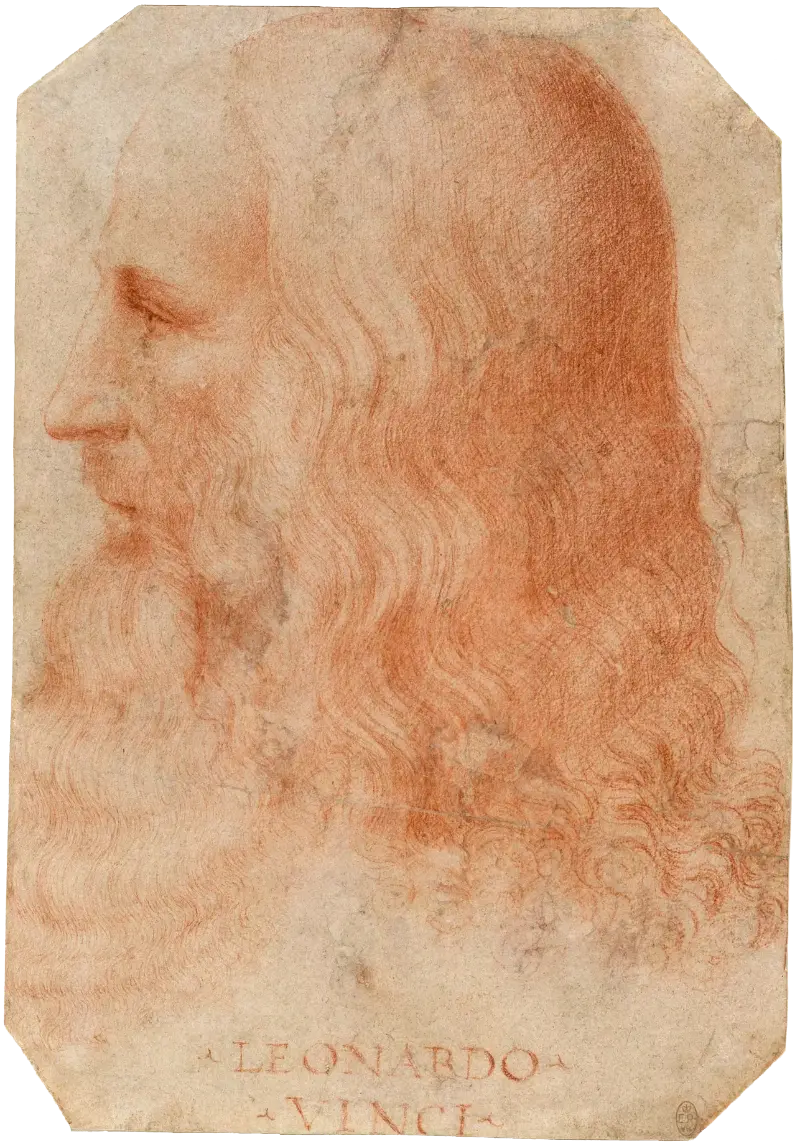
Who was Leonardo da Vinci?
Leonardo was born on 15 April 1452 near Vinci, a Tuscan village that gave him his name. He trained in Florence in the workshop of the sculptor and painter Andrea del Verrocchio.
Around 1482, he left for Milan, in the service of Ludovico Sforza. There he painted the Last Supper for the convent of Santa Maria delle Grazie, between 1495 and 1498. Back in Florence, around 1503 he began the portrait of Lisa Gherardini, the future Mona Lisa.
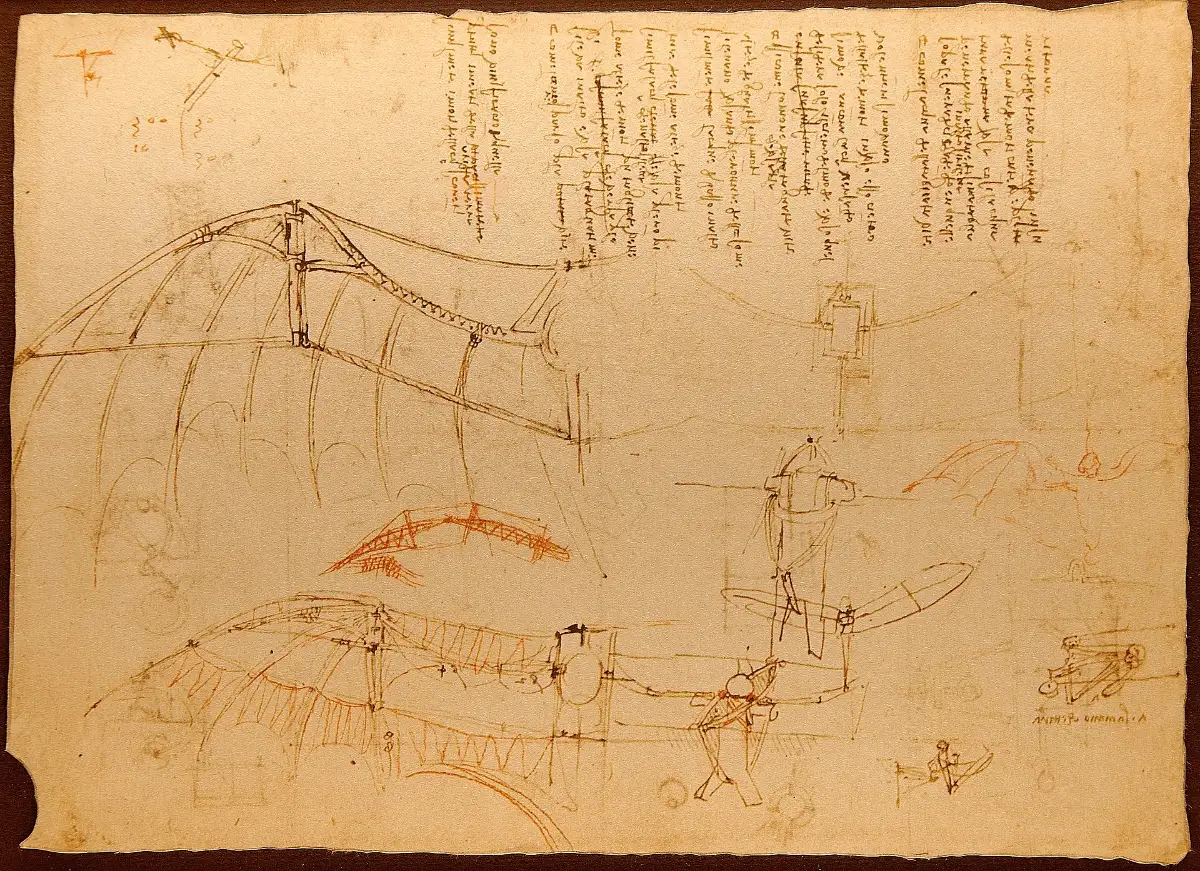
A painter, he was also an engineer, architect, anatomist and inventor. His notebooks, written in mirror script, mix flying machines, studies of the human body, canal plans and observations of nature.
Why Leonardo left for France
In September 1515, the young Francis I won the battle of Marignano. He met Leonardo in Bologna at the end of that year. The master was 63 and then living in Rome, at the Vatican.
In autumn 1516, Leonardo crossed the Alps with his two pupils, Francesco Melzi and Salaì. The king gave him the title of “first painter, engineer and architect to the king” and a pension. The French National Archives hold a payment of 2,000 écus soleil for two years of this pension.
Three years at Clos Lucé, in Amboise
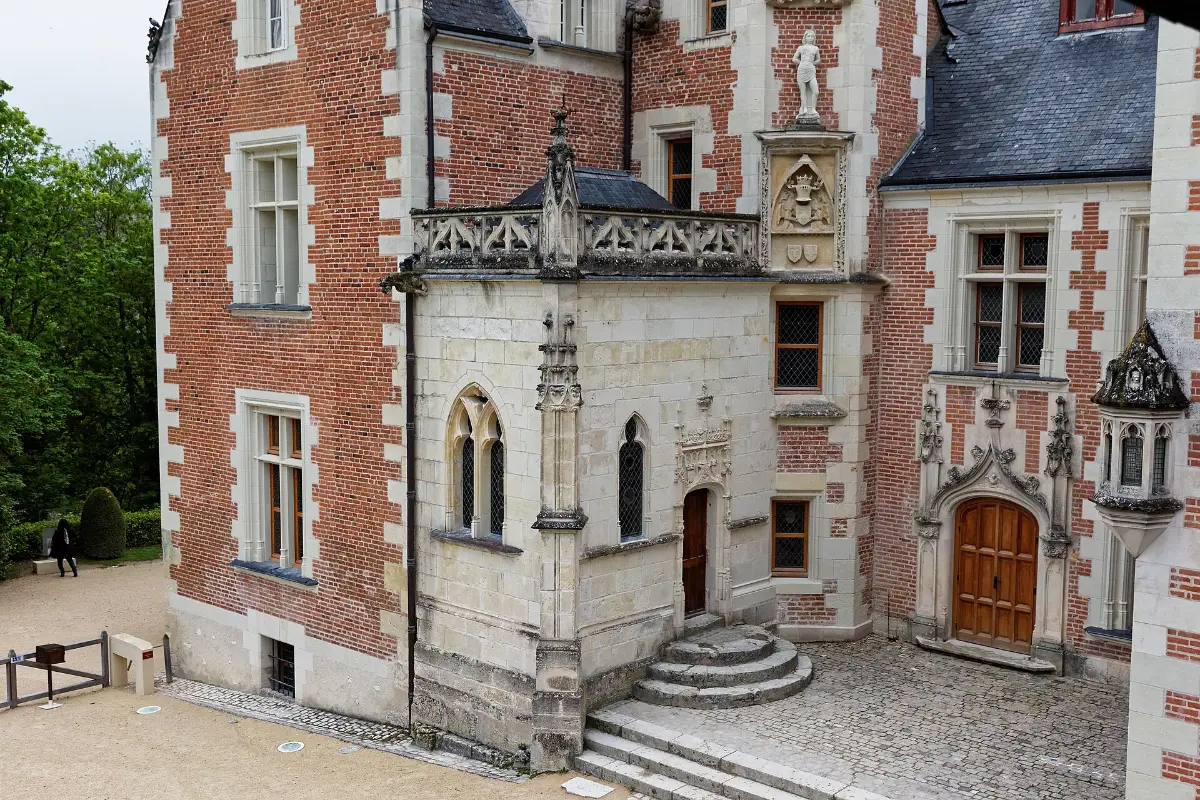
The king housed Leonardo in the manor of Cloux, today the Château du Clos Lucé. This pink-brick and white-stone manor dates from 1471. Charles VIII bought it in 1490, and the young Francis I stayed there as a child.
Clos Lucé is a few hundred metres from the royal château. Leonardo lived there surrounded by his pupils. He received the great figures of the kingdom, ambassadors and Italian artists. In October 1517, Cardinal Louis of Aragon visited him. His secretary, Antonio de Beatis, described the paintings and notebooks he saw there.
Leonardo also organised festivities for the court, with sets and stage machinery. According to the tradition told at Clos Lucé, the king often came to see him and called him “my father”. A legend speaks of an underground passage linking the manor to the royal château: the first metres of a gallery can be seen during the visit.
Today, Clos Lucé displays Leonardo’s bedroom, his workshop and models of his inventions. In the park, young and old operate large-scale reproductions of his machines. Our complete guide: visiting the Château du Clos Lucé.
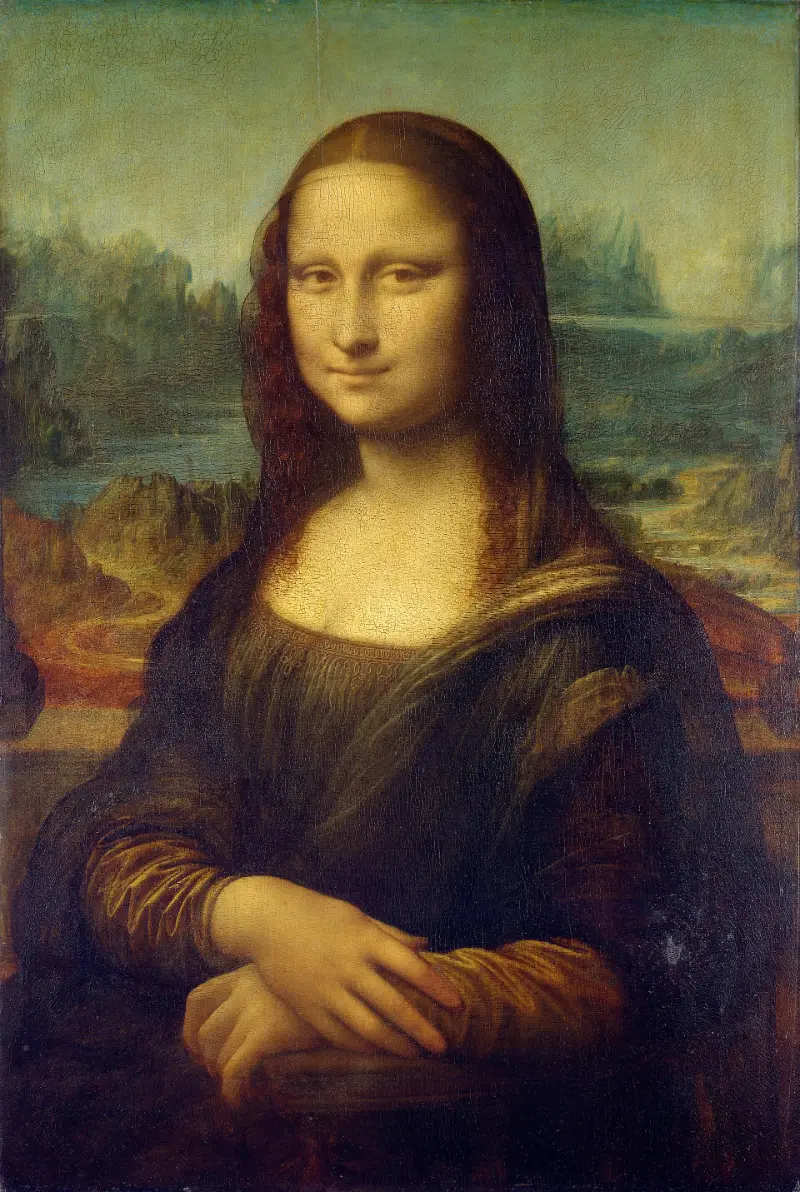
The Mona Lisa and the paintings from Italy
Leonardo arrived in France with three paintings he kept close: the Mona Lisa, the Virgin and Child with Saint Anne and the Saint John the Baptist. He continued working on them in Amboise. Cardinal of Aragon admired them during his visit in 1517.
The Mona Lisa entered Francis I’s collection around 1518, probably through Salaì. The three paintings are now in the Louvre. That is why the Mona Lisa, begun in Florence, is in Paris.
Engineer and architect to the king: Romorantin and Chambord
From 1517, Louise of Savoy and Francis I entrusted Leonardo with a huge project: a royal palace at Romorantin, in the Sologne. He designed a palace on the banks of the Sauldre, a new town and a network of canals linking the Sauldre to the Cher. His plans appear in his notebooks.
Work began, then the project was abandoned after Leonardo’s death. In 1519, the king launched another building project, also in the Sologne: Chambord.
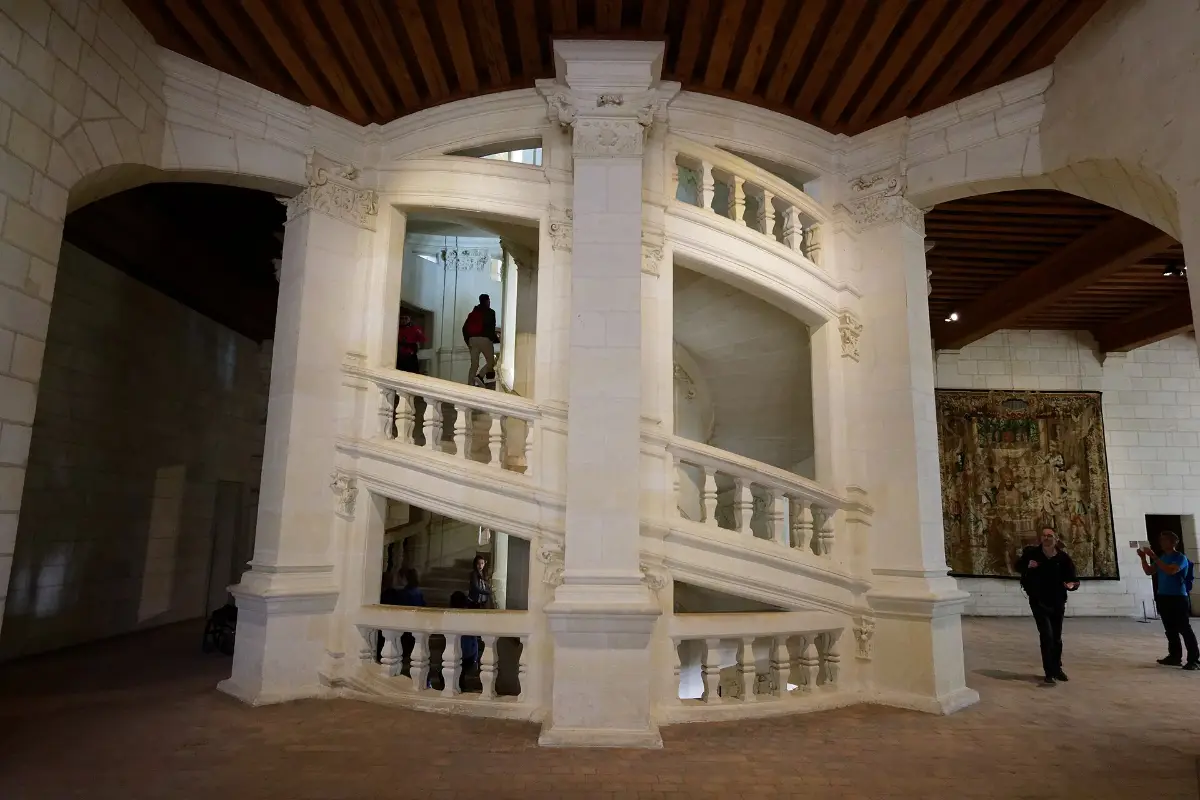
No one knows for sure who designed Chambord. Leonardo’s influence is often mentioned for the famous double-helix staircase, where two people climb without meeting. Leonardo had studied this type of staircase. At Clos Lucé, he also received Domenico da Cortona, who is associated with the Chambord project. Yet nothing proves he was its author. See our guide to the Château de Chambord.
Leonardo’s death, 2 May 1519
On 23 April 1519, Leonardo had his will drawn up in Amboise. He left his manuscripts, drawings and instruments to Francesco Melzi, who took them back to Italy. He died at Clos Lucé on 2 May 1519, aged 67.
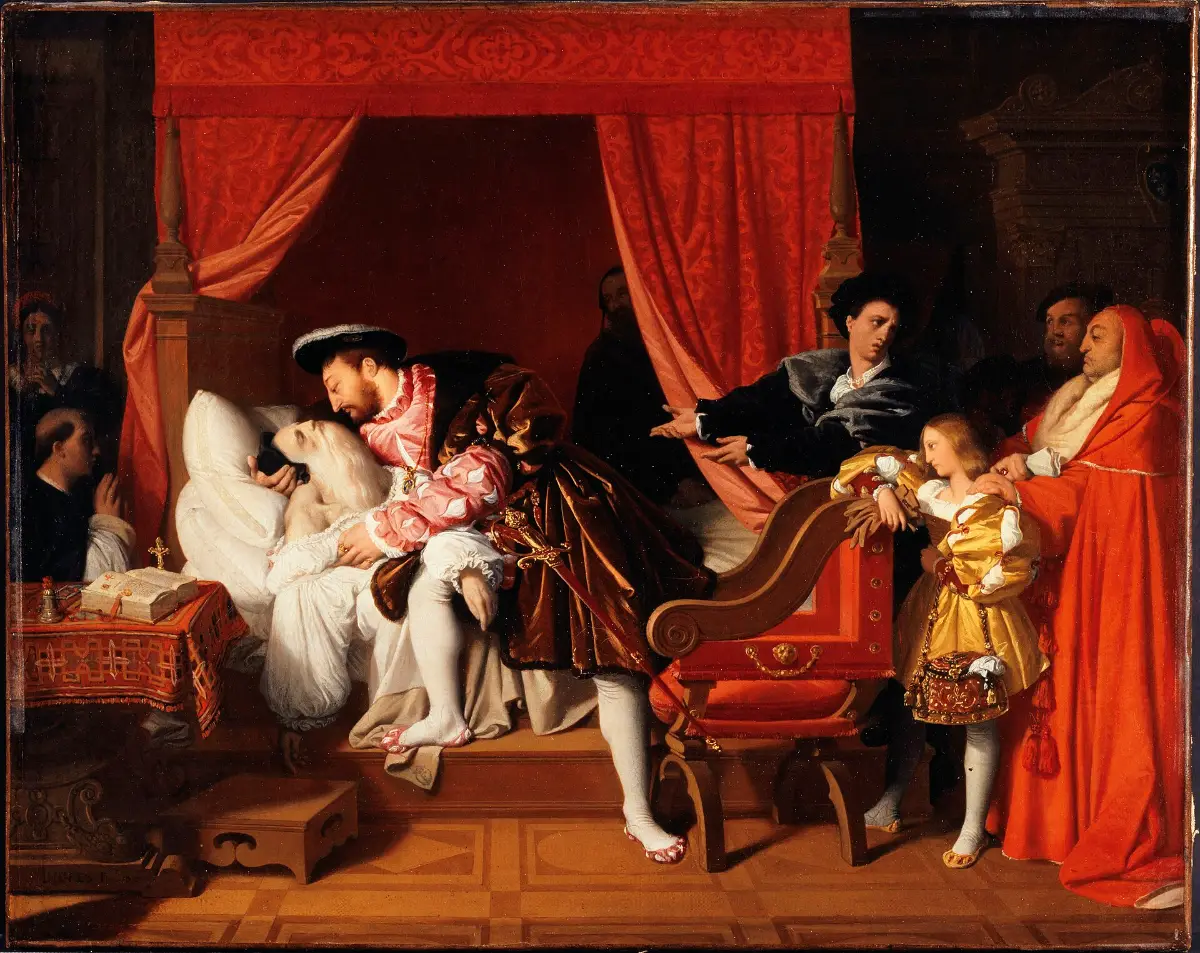
A legend says he died in the arms of Francis I. Ingres painted it in 1818, after other painters. Historians doubt it: the king was probably not in Amboise that day. Above all, the scene expresses the friendship between the king and the master.
Where is Leonardo da Vinci buried?
In line with his last wishes, Leonardo was buried in the collegiate church of Saint-Florentin, within the walls of the Royal Château of Amboise. The church was destroyed in the early 19th century and its stones scattered.
In 1863, the writer Arsène Houssaye excavated the site. He found a skeleton and stone fragments carved with letters recalling Leonardo’s name. The bones were placed in 1874 in the Saint-Hubert chapel, a Gothic chapel built on the château’s ramparts.
The attribution has never been scientifically proven, which is why we speak of Leonardo’s “presumed” remains. Genetic research with descendants of his family is now trying to settle the question. The tomb can be visited with the Royal Château of Amboise.
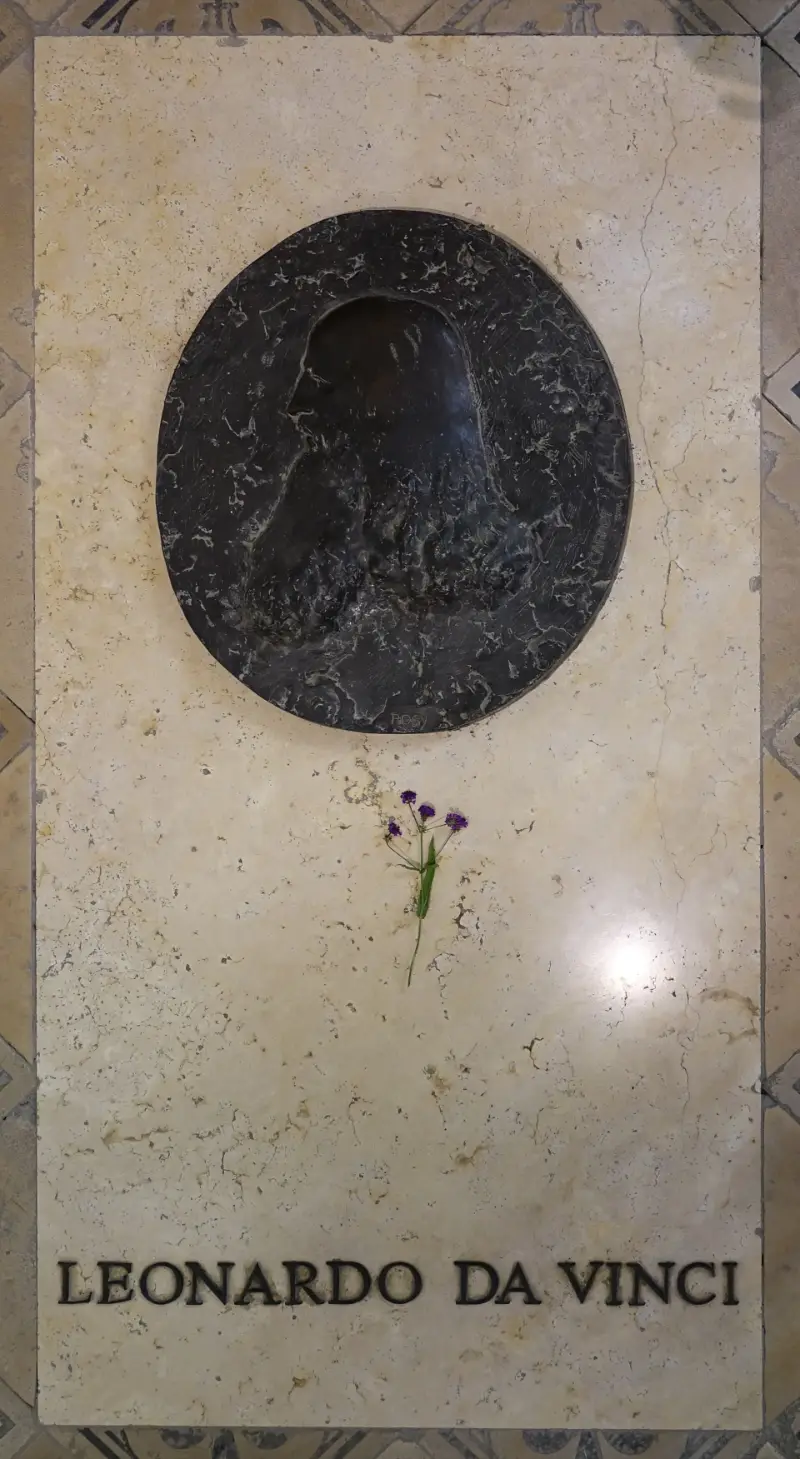
Left, the Saint-Hubert chapel. Right, Leonardo’s tomb. Photos: Gzen92, CC BY-SA 4.0, via Wikimedia Commons.
Follow in Leonardo’s footsteps from the Berry
The holiday home of the Domaine du Château de la Brosse sleeps 10, with a heated pool and tennis, 1 h 30 from Amboise.
In Leonardo’s footsteps: a route from the holiday home
Amboise has the essentials: Clos Lucé and Leonardo’s tomb are a few hundred metres apart. One day is enough. With a second day, you can add Chambord.
| Stop | What you’ll see | From the holiday home |
|---|---|---|
| Château du Clos Lucé, Amboise | Leonardo’s bedroom and workshop, models, inventions park | about 85 km, 1 h 30 |
| Royal Château of Amboise | Saint-Hubert chapel and Leonardo’s tomb | about 90 km, 1 h 30 |
| Château de Chambord | Double-helix staircase | about 100 km, 1 h 40 |
| Romorantin-Lanthenay | Town of the palace Leonardo imagined, on the banks of the Sauldre | about 65 km, 1 h 10 |
Approximate distances. Check your route on Google Maps before setting off.
Day 1: Amboise
- Morning: Clos Lucé, then the park and its machines. Allow 2 to 3 hours.
- Lunchtime: lunch in Amboise’s old town.
- Afternoon: the royal château, its terraces over the Loire and the Saint-Hubert chapel.
- Evening: back to the holiday home, via Loches or Montrichard.
Day 2: Chambord or Romorantin
- Chambord for its staircase, its terraces and its forest estate.
- Or Romorantin, on the Sauldre, to imagine the palace Leonardo was designing for Francis I.
Our tips: buy your tickets online in summer and during school holidays. Check opening times on the official websites before setting off. For more ideas, read our selection of the most visited Loire Valley châteaux and our day trips from the holiday home.
Where to stay to follow Leonardo da Vinci?
To visit Amboise, Chambord and the Berry without rushing, stay at the Gîte du Domaine du Château de la Brosse, in the Indre. The holiday home is rented as a whole for 10 people, in an outbuilding of a 17th-century château listed as a historic monument.
- 5 bedrooms and 3 bathrooms for 10 people.
- Pool heated from April to October (access shared with the château), tennis court and 20-hectare park.
- From €600 per night for the whole holiday home in 2027, linen, cleaning and tourist tax included.
- Valençay, the nearest Loire château, 35 minutes away.
Frequently asked questions
Where is Leonardo da Vinci buried?
His presumed remains have rested since 1874 in the Saint-Hubert chapel of the Royal Château of Amboise. He was first buried in the collegiate church of Saint-Florentin, destroyed in the early 19th century.
When did Leonardo da Vinci arrive in France?
In autumn 1516, at the invitation of Francis I. He was 64 and settled at Clos Lucé, in Amboise.
How long did Leonardo da Vinci live in Amboise?
About three years, from autumn 1516 until his death at Clos Lucé on 2 May 1519.
Did Leonardo da Vinci build Chambord?
It is not proven. Building began in 1519, the year he died. His influence is often mentioned for the double-helix staircase, but the architect of Chambord remains unknown.
Why is the Mona Lisa in France?
Leonardo brought it to France in 1516. The painting then entered Francis I’s collection, and later the Louvre.
Can you visit Clos Lucé and the Château d’Amboise on the same day?
Yes. The two sites are a few hundred metres apart. Allow a full day for both.
Book your stay near the Loire Valley châteaux
5 bedrooms, 10 guests, pool, tennis court and park at the Domaine du Château de la Brosse. Any questions? Call us on +33 6 20 46 72 50.
Stay on the estate
The whole holiday home for 10, in the Berry
- 5 bedrooms, 3 bathrooms
- Pool heated April to October
- Tennis and a 20-hectare park
From 600 € per night, linen and tourist tax included
Any questions? +33 6 20 46 72 50
Blog topics
- Loire Valley châteaux (24)
- France (41)
- Centre-Val de Loire (37)
- Indre (18)
- Indre-et-Loire (12)
- Loir-et-Cher (5)
- Loiret (1)
- Pays de la Loire (4)
- Maine-et-Loire (4)
- Centre-Val de Loire (37)
- Planning your stay (5)
- What to do in the Indre (17)
- Flavours of the Berry (1)
- Group stays and celebrations (4)
- International travellers (1)
- Weekend from Paris (2)
